
About · The Funnel Genie
I've spent 11 years backstage in other people's businesses.
I've learned to see the difference between a business that looks good from the outside and one that's actually built to grow.
The story
I've seen what happens behind the scenes.
For 11 years, I've worked inside other people's businesses — close enough to see the decisions, delivery, customer experience, and systems that keep everything moving.
I've seen what happens when the marketing promises more than the operation can deliver. When valuable expertise lives entirely inside the founder's head. When a business has clients, revenue, and opportunity — but still needs its owner to personally hold too many pieces together.
From the outside, it can look like a growth problem.
Sometimes, it is.
But sometimes, the business doesn't need more leads, another tool, or a fresh offer. It needs someone to see how the pieces fit together and where they're not working.
That's where I come in.
I can listen to a founder describe their business and start connecting things that may seem unrelated: the offer that isn't communicating its real value, the customer journey that depends on personal persuasion, the process that only exists in someone's head, or the backend that makes every ordinary decision harder than it needs to be.
Sometimes the opportunity is a new way to position the business. Sometimes it's turning proven expertise into something repeatable. Sometimes it's fixing the way leads, clients, payments, and follow-up move through the operation.
The solution depends on the business. The first job is seeing it clearly.
What I believe
Your business should be able to hold the growth you're asking it to create.
Sustainable growth isn't simply about doing more. It's about building a business where:
01
Founder
The founder has room to lead, not just absorb every demand.
02
Framework
Valuable expertise has a clear, repeatable expression.
03
Funnel
The customer journey makes it easier to understand, trust, and buy.
04
Foundation
Operations and systems support reliable delivery.
These aren't four separate projects. They're connected parts of the same business.
Strengthening one often reveals what the others need.
How I see a business
Four layers. One business.
Each layer affects the others. Understanding the whole structure helps us find the right place to begin.




Your time, judgment, energy, and availability are valuable. But when too much depends on them, the business can only move as fast as you can personally keep up. Decisions wait. Strategic work gets pushed aside. Even a successful business can leave its founder with less room to think, lead, or step away. The answer isn't always to become more productive. Sometimes, the business needs to be designed differently around the person leading it.
The real value of what you do isn't always obvious from the outside. It's in how you think, the patterns you recognize, the process you've refined, and the judgment you've developed through experience. When that expertise remains unnamed or undocumented, it's harder to communicate, package, teach, or deliver without your constant involvement. Clarifying your method doesn't diminish what makes your work special. It gives that value a form the business can use, communicate, and build upon.
People need a way to understand what you do, recognize why it matters, decide whether it's right for them, and take the next step. When that journey is disconnected, the founder often becomes the missing link — explaining, following up, reassuring, and personally moving every opportunity forward. A thoughtful customer journey helps people move forward with greater clarity while creating a more dependable path for the business.
Behind every good customer experience is the work that makes it possible: processes, systems, responsibilities, visibility, and reliable ways of getting things done. This is where the business either gains the support to grow or quietly creates more work for the person running it. The goal isn't technology for its own sake. It's a business where the right information is accessible, important work has a process, and growth doesn't automatically mean more things for the founder to hold together.
Why the relationship matters
The most visible problem isn't always the first problem to solve.
Imagine a business whose delivery depends almost entirely on its founder. The obvious problem might appear to be a lack of leads, so the founder invests in more marketing and brings in more clients. But if delivery still depends on the same limited time and attention, the additional demand creates additional pressure.
The marketing wasn't necessarily the problem. It simply wasn't the first problem to solve.
Seeing the whole structure helps us choose a next move that makes the business stronger instead of making everything heavier.
How I work
Strategic enough to see the pattern. Practical enough to do the work.
I don't want to hand you a beautiful strategy that becomes another document sitting in a folder. I like understanding how things actually function, finding the point where they're breaking down, and helping turn a clearer direction into something usable.
That might mean clarifying an offer, mapping the process behind your expertise, improving the customer journey, or building the backend that brings leads, clients, payments, and follow-up into view.

01
Find the real constraint.
Look beyond the most visible symptom. Connect the dots between what's happening, how the business operates, and what's actually limiting progress.
02
Make the value visible.
Clarify the founder's proven expertise, method, and offer so the business can communicate what makes the work valuable.
03
Shape the customer journey.
Connect discovery, trust, decision-making, purchase, and delivery into a clearer experience for the people the business serves.
04
Build what supports the work.
Identify and strengthen the processes, systems, and operational pieces that help the business function more reliably.
05
Put the next move in order.
Decide what needs attention now, what can wait, and where a focused change can make the biggest difference.
a personal note
Build a business that loves you back.
I believe the work you pour into your business should give something back to you, too. Your experience should become an asset, not a reason everything has to depend on you. Your success should create more possibilities, not simply more responsibility.
You don't need to build a more complicated business. You need to understand what your business needs next—and build accordingly.
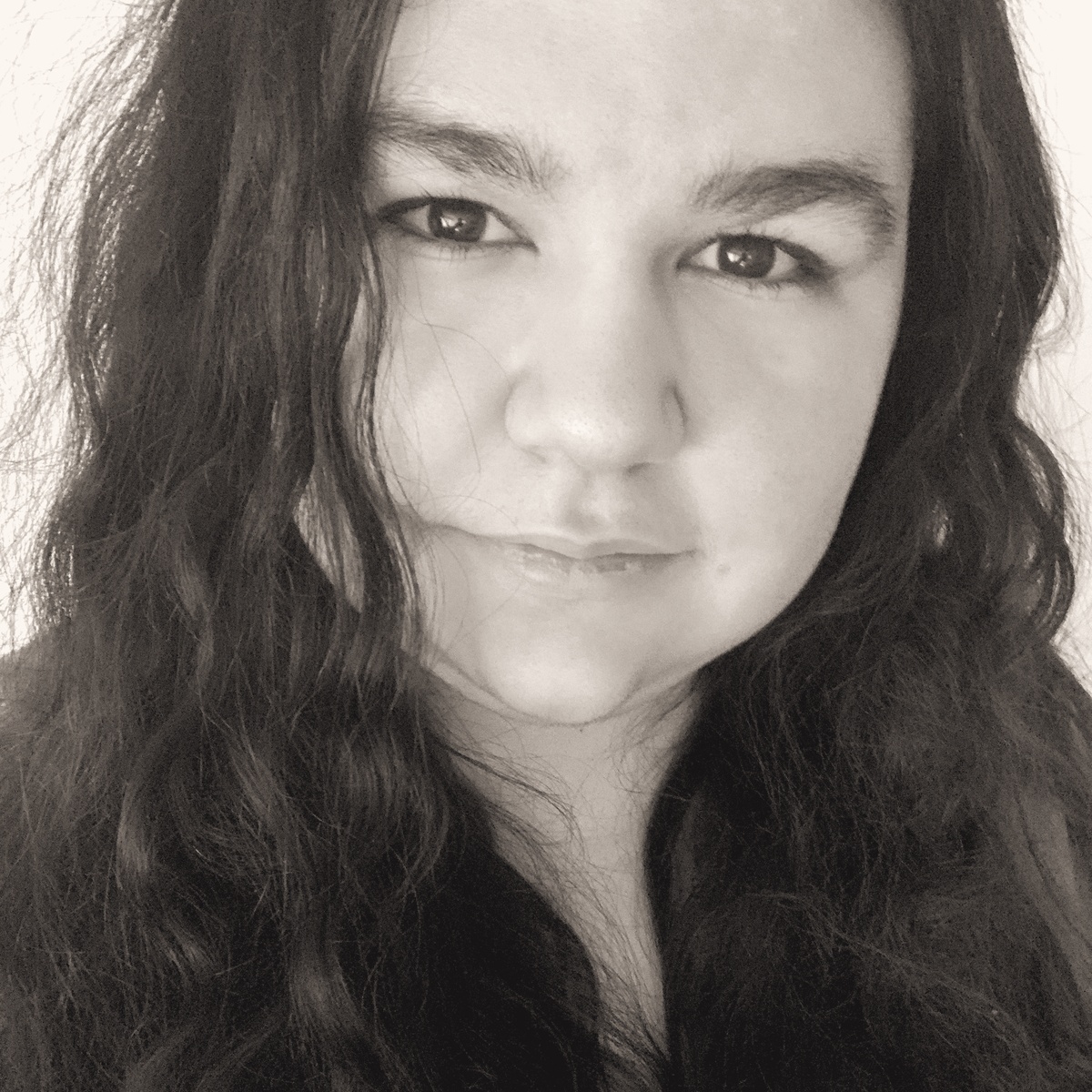
— Ivlyn
You built the business. Now let's build what holds it.
Start by finding out what's limiting your capacity—and which part of your business needs attention first. The Growth Infrastructure Diagnostic gives you a clearer place to begin.
Take the Growth Infrastructure Diagnostic